
The period following acceptance letters represents one of the most critical phases in higher education enrollment management. Post university admissions encompasses all activities, communications, and support mechanisms that occur after an institution extends an offer of admission but before a student officially matriculates. This phase determines whether admitted students convert into enrolled students, making it essential for institutions to implement strategic engagement practices. For students, understanding this period helps navigate the transition from acceptance to successful enrollment, ensuring they complete all necessary steps while making informed decisions about their academic future.
Understanding the Post University Admissions Landscape
Post university admissions begins the moment an acceptance letter reaches a prospective student and extends through the first weeks of enrollment. This window typically spans three to six months, depending on admission cycles and institutional calendars. During this time, institutions must maintain consistent communication, provide essential resources, and create meaningful touchpoints that reinforce the enrollment decision.
The significance of this phase has grown substantially in recent years. According to research on admitted student decision drivers, institutions now face increased competition for enrollment conversion, with admitted students often holding multiple acceptance offers simultaneously. The quality of post university admissions engagement directly correlates with yield rates, retention outcomes, and long-term student success.
Key Stakeholders in the Process
Multiple parties play essential roles during post university admissions:
- Admitted students navigating financial aid decisions, housing selections, and course registration
- Admissions offices coordinating communications and tracking enrollment confirmations
- Financial aid departments finalizing award packages and supporting FAFSA completion
- Academic advisors guiding program selection and course planning
- Orientation teams designing transition experiences and onboarding activities
- Student services preparing support systems for incoming cohorts

Strategic Communication During Post University Admissions
Effective communication forms the backbone of successful post university admissions strategies. Institutions must balance frequency with relevance, ensuring messages provide value without overwhelming admitted students. The NACAC Guide to Ethical Practice in College Admission emphasizes transparency, honesty, and respect in all post-admission interactions with students and families.
Multi-Channel Engagement Approaches
Modern post university admissions requires coordinated outreach across multiple platforms:
- Email campaigns delivering personalized information based on program selection and student profile
- SMS messaging for time-sensitive reminders about deadlines and required actions
- Social media connecting admitted students with current students and campus communities
- Direct mail providing tangible materials that families can review together
- Phone outreach from current students, faculty, or admissions counselors
- Video content showcasing campus life, academic programs, and student testimonials
| Communication Type | Optimal Timing | Primary Purpose | Response Rate |
|---|---|---|---|
| Acceptance packet | Immediate | Official offer delivery | 95%+ open |
| Financial aid details | Within 48 hours | Aid transparency | 85-90% |
| Enrollment confirmation | 2-4 weeks post-acceptance | Deadline awareness | 60-70% |
| Housing information | 3-6 weeks | Logistical planning | 55-65% |
| Orientation invitations | 6-8 weeks | Transition preparation | 70-80% |
The University Of Gold Coast implements comprehensive communication strategies that guide admitted students through each stage of the enrollment process, ensuring clarity and support at every touchpoint.
Financial Aid and Enrollment Decisions
Financial considerations remain the primary factor influencing post university admissions decisions. Research consistently shows that clarity around costs, aid packages, and payment options significantly impacts enrollment conversion. Institutions must provide transparent, accessible financial information that enables students and families to make informed choices.
Components of Financial Clarity
Award letter transparency ensures students understand exactly what aid they receive. This includes distinguishing between grants, scholarships, loans, and work-study opportunities. Many institutions now adopt standardized award letter formats that clearly itemize costs and aid sources.
Net price calculators help families estimate actual out-of-pocket expenses after subtracting all forms of aid. These tools should be prominently featured in post university admissions communications, allowing students to compare offers across institutions accurately.
Payment plan options demonstrate flexibility and institutional commitment to affordability. Monthly payment schedules, sibling discounts, and employer tuition reimbursement coordination all contribute to enrollment conversion.
The evidence-based research on increasing college access demonstrates that proactive financial counseling during the post university admissions period reduces summer melt and improves matriculation rates, particularly among first-generation and underserved populations.
Orientation and Transition Programming
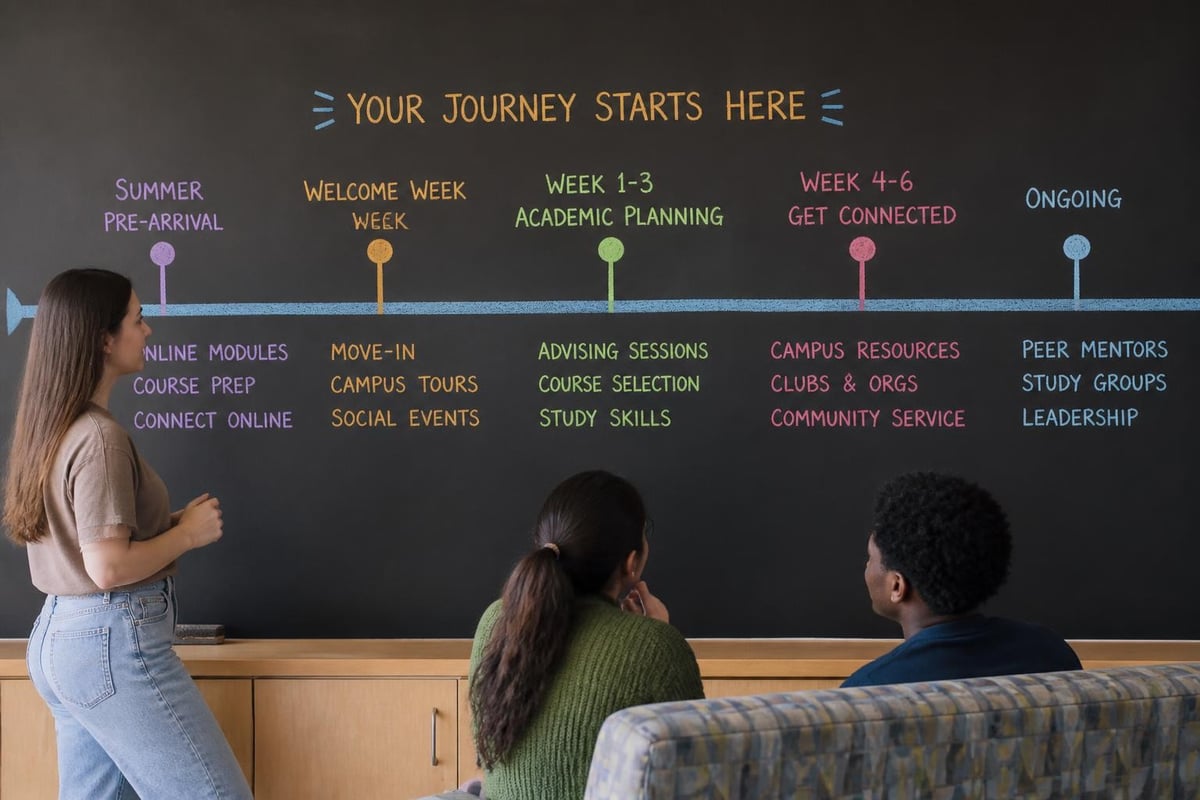
Orientation represents the culmination of post university admissions efforts and the beginning of the enrolled student experience. Effective orientation programs connect admitted students to institutional resources, build peer networks, and establish academic foundations. The AACRAO research on learner success highlights how strategic onboarding practices directly influence first-year retention and graduation outcomes.
Pre-Arrival Engagement Strategies
- Online orientation modules covering academic expectations, campus policies, and available resources
- Virtual advising sessions for course selection and degree planning
- Peer mentor assignments connecting admitted students with current students in similar programs
- Family engagement programs providing information for parents and supporters
- Skill-building workshops addressing time management, study strategies, and wellness practices
Institutions implementing comprehensive pre-arrival programming report higher attendance rates at orientation events and stronger early engagement with academic support services. These early connections prove essential for long-term retention.
On-Campus Orientation Components
Traditional on-campus orientation remains valuable despite growing virtual options. Face-to-face interactions during post university admissions allow students to:
- Navigate physical campus spaces and locate essential buildings
- Meet faculty members and academic advisors in person
- Complete administrative tasks like ID card activation and technology setup
- Participate in team-building activities that foster belonging
- Engage with student organizations and extracurricular opportunities
The NODA benchmark data on orientation programs provides institutions with comparative metrics on program length, content coverage, and effectiveness measures, enabling continuous improvement of transition experiences.
Administrative Requirements and Deadlines
Post university admissions involves numerous administrative tasks that students must complete before enrollment. Clear communication about requirements and deadlines prevents confusion and reduces barriers to matriculation. Institutions benefit from creating centralized checklists, automated reminders, and self-service portals that empower students to track their progress.
Essential Administrative Steps
| Requirement | Typical Deadline | Support Resources | Completion Rate |
|---|---|---|---|
| Enrollment deposit | 4-6 weeks post-acceptance | Online payment portal | 85-90% |
| Housing application | 6-8 weeks | Residential life office | 75-80% |
| Health records submission | 8-10 weeks | Student health services | 70-75% |
| Course registration | 10-12 weeks | Academic advising | 90-95% |
| Technology accounts activation | 2 weeks before start | IT help desk | 95-98% |
Many institutions now utilize student portals that consolidate all post university admissions requirements in one location. These platforms display outstanding tasks, upcoming deadlines, and completion status, reducing administrative barriers and improving the student experience.
Yield Management and Conversion Optimization
Yield rate represents the percentage of admitted students who ultimately enroll. Improving yield remains a primary objective during post university admissions, requiring strategic resource allocation and data-driven decision making. The Chronicle of Higher Education’s research on student recruitment strategies examines how enrollment leaders are rethinking the final stretch between acceptance and matriculation.
Data-Driven Yield Strategies
Predictive analytics help institutions identify admitted students most likely to enroll, enabling targeted outreach. Models incorporate factors like application engagement, campus visit attendance, financial aid dependency, and geographic proximity to predict enrollment probability.
Personalized engagement tailors communications based on student characteristics, interests, and behaviors. An admitted MBA candidate receives different messages than a PhD applicant, reflecting distinct priorities, timelines, and decision factors relevant to each program.
Admitted student events create opportunities for prospective enrollees to experience campus culture firsthand. Department-specific programs, overnight stays, and scholarship celebrations all strengthen institutional connections during the post university admissions period.
Institutions tracking engagement metrics throughout post university admissions identify early warning signs when students disengage. Timely intervention through personalized outreach often resolves concerns and recaptures enrollment intent.
Supporting Diverse Student Populations
Post university admissions strategies must address the unique needs of different student populations. First-generation students, international enrollees, transfer applicants, and adult learners each face distinct challenges during the transition from acceptance to enrollment. Inclusive practices ensure all admitted students receive appropriate support regardless of background or circumstances.
First-Generation Student Support
First-generation students often navigate post university admissions without family members who understand higher education systems. These students benefit from:
- Detailed explanations of academic terminology and processes
- Step-by-step guidance through financial aid applications
- Early connections with mentors who share similar backgrounds
- Campus visit opportunities that include family members
- Clear information about available support services

International Student Considerations
International admits require specialized post university admissions support addressing visa processes, housing arrangements, and cultural adjustment. Key components include:
- Immigration documentation guidance for F-1 student visa applications and SEVIS requirements
- Pre-arrival orientations covering U.S. academic expectations and cultural norms
- Airport pickup services and temporary housing coordination
- English language support assessment and placement in appropriate resources
- International student communities connecting admits with current students from similar regions
The effective practices for student success research demonstrates that culturally responsive onboarding significantly improves retention and academic outcomes for international populations.
Technology Platforms and Digital Tools
Modern post university admissions relies heavily on technology platforms that streamline communications, automate workflows, and provide self-service capabilities. Student information systems, customer relationship management tools, and specialized enrollment platforms all contribute to efficient, effective post-admission engagement.
Essential Technology Components
Customer relationship management (CRM) systems track all interactions with admitted students, enabling coordinated outreach across departments. These platforms prevent communication gaps, reduce redundant messaging, and ensure consistent information delivery throughout the post university admissions period.
Student portals centralize information and tasks, giving admitted students 24/7 access to requirements, deadlines, and resources. Portal engagement metrics provide institutions with real-time insight into student progress and potential obstacles.
Automated messaging sequences deliver timely, relevant information based on student actions and institutional calendars. Triggered communications ensure no admitted student falls through the cracks due to missed deadlines or incomplete requirements.
Institutions maximizing technology effectiveness during post university admissions report improved staff efficiency, higher student satisfaction scores, and increased enrollment conversion rates. The CCCSE SENSE Survey findings reveal strong correlations between early technology access and successful matriculation.
Measuring Post University Admissions Success
Continuous improvement requires robust measurement of post university admissions outcomes. Institutions should track multiple metrics that collectively indicate program effectiveness and identify opportunities for enhancement. Data-driven approaches enable resource optimization and strategic refinement over time.
Key Performance Indicators
- Yield rate showing the percentage of admitted students who enroll
- Enrollment conversion time measuring days from acceptance to deposit
- Communication engagement tracking email open rates, event attendance, and portal logins
- Task completion rates for administrative requirements and deadlines
- Student satisfaction with the post-admission experience
- First-semester retention connecting post university admissions quality to persistence
| Metric | Benchmark Range | Influencing Factors | Improvement Strategies |
|---|---|---|---|
| Overall yield | 20-35% | Selectivity, competition, aid | Personalized outreach, events |
| Deposit timing | 14-28 days | Aid clarity, urgency | Early award delivery, deadlines |
| Event attendance | 40-60% | Distance, scheduling | Virtual options, family inclusion |
| Portal engagement | 65-85% | Usability, content value | Mobile optimization, task clarity |
| Post-matriculation satisfaction | 4.0-4.5/5.0 | Support quality, preparation | Comprehensive orientation, mentoring |
Regular analysis of these metrics enables institutions to identify trends, benchmark against peer institutions, and make evidence-based decisions about resource allocation during post university admissions cycles.
Building Institutional Capacity
Successful post university admissions requires coordinated effort across multiple departments and sustained institutional commitment. Building organizational capacity involves training staff, allocating appropriate resources, and fostering cultures of collaboration that prioritize admitted student success.
Cross-Functional Collaboration Models
Effective institutions establish cross-functional teams that meet regularly throughout post university admissions cycles. These teams typically include representatives from:
- Admissions and recruitment
- Financial aid and student accounts
- Academic advising and registration
- Orientation and student life
- Information technology
- Communications and marketing
Regular coordination ensures consistent messaging, prevents departmental silos, and creates seamless experiences for admitted students. Team meetings review engagement data, address emerging challenges, and refine strategies based on real-time feedback and outcomes.
Professional development opportunities help staff stay current with best practices in post university admissions. Attendance at conferences, participation in webinars, and engagement with research literature all contribute to institutional capacity building and continuous improvement.
Creating Lasting First Impressions
The post university admissions period shapes students' initial perceptions of institutional quality, culture, and commitment to their success. Every interaction during this phase contributes to the overall impression that influences not only enrollment decisions but also long-term engagement, satisfaction, and advocacy.
Responsiveness demonstrates respect for students' time and questions. Prompt replies to emails, efficient processing of documents, and accessible staff all communicate institutional professionalism and student-centeredness.
Transparency builds trust and reduces anxiety. Clear explanations of processes, honest discussions about challenges, and straightforward financial information help students feel confident in their enrollment decisions.
Personalization shows students they matter as individuals rather than statistics. Using names, referencing specific interests or achievements, and tailoring communications to individual circumstances create meaningful connections during post university admissions.
Students who experience high-quality post university admissions engagement arrive on campus with positive attitudes, established connections, and clear expectations, setting the foundation for successful academic careers. These early impressions extend beyond individual students, influencing family perceptions and community reputations that shape future recruitment efforts.
Navigating post university admissions successfully requires strategic planning, coordinated execution, and genuine commitment to admitted student support throughout the critical transition from acceptance to enrollment. Institutions that invest in comprehensive post-admission strategies see measurable improvements in yield, retention, and student satisfaction. Whether you're pursuing advanced degrees like a PhD, MBA, MSc, or LLM, or exploring professional diploma programs, University Of Gold Coast provides extensive support systems, accessible resources including online libraries and student portals, and personalized guidance that ensures your smooth transition from admitted student to thriving scholar across business, law, theology, and numerous other academic fields.