
Pursuing advanced education has become increasingly important in today's competitive professional landscape. A postgraduate degree represents more than just additional years of study; it's a strategic investment in specialized knowledge, research capabilities, and career advancement opportunities. Whether you're considering a master's program, doctoral research, or professional certification, understanding the full spectrum of postgraduate options, application processes, and long-term benefits is essential for making an informed decision. This comprehensive guide explores the key aspects of postgraduate education, from selecting the right program to securing funding and maximizing your academic journey.
Understanding Postgraduate Degree Types
Postgraduate education encompasses multiple degree levels and structures, each designed for specific academic and professional goals. The landscape has evolved significantly, offering more flexibility and specialization than ever before.
Master's Degrees
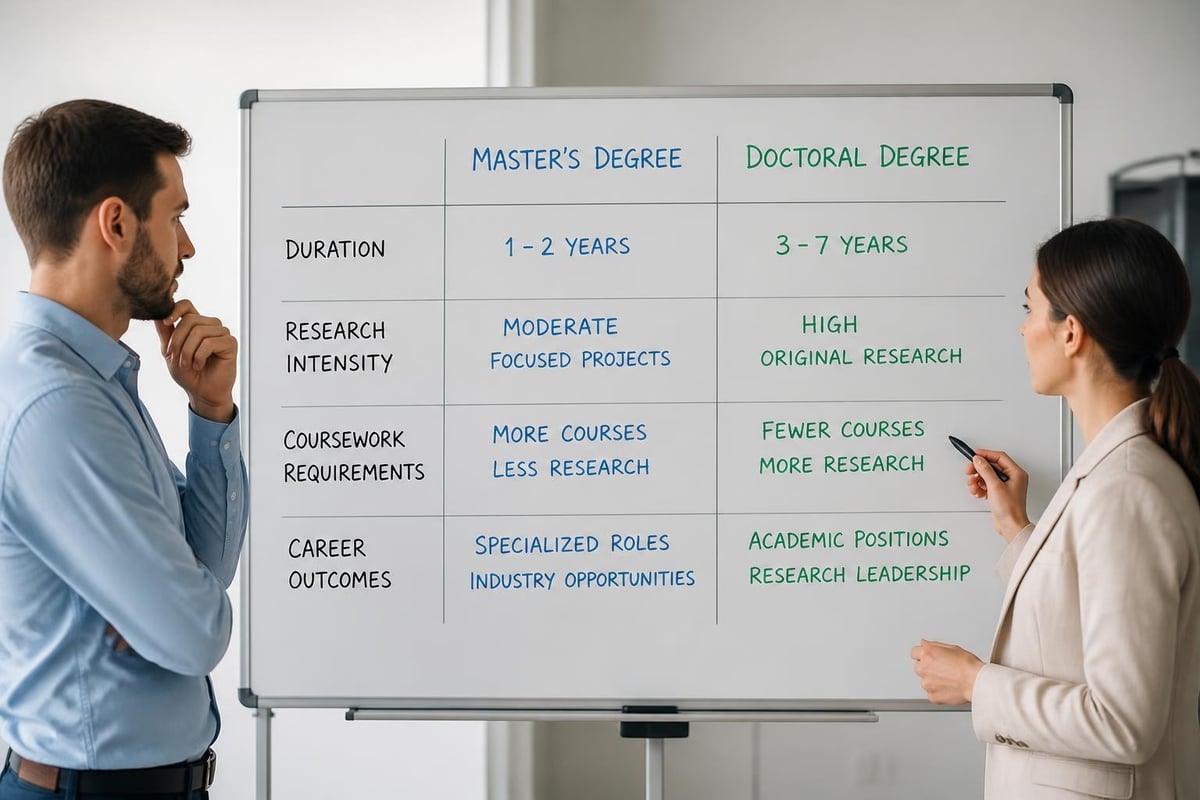
Master's programs typically require one to two years of full-time study and focus on advanced knowledge in a specific field. The most common types include:
- Master of Science (MSc) in technical, scientific, and analytical disciplines
- Master of Arts (MA) in humanities, social sciences, and creative fields
- Master of Business Administration (MBA) for business leadership and management
- Master of Laws (LLM) for legal specialization beyond the first law degree
- Master of Research (MRes) emphasizing research methodology and preparation for doctoral study
These programs combine coursework, seminars, and independent research. Many culminate in a dissertation or capstone project that demonstrates mastery of the subject matter.
Doctoral Degrees
A postgraduate degree at the doctoral level represents the highest academic achievement in most fields. PhD programs typically span three to six years and emphasize original research contributions to the field.
Key characteristics of doctoral study:
- Independent research under faculty supervision
- Comprehensive examinations testing broad subject knowledge
- Original dissertation defending new findings or theories
- Teaching and mentoring responsibilities for many doctoral candidates
- Publication expectations in peer-reviewed journals
Professional doctorates (EdD, DBA, PsyD) offer alternative pathways that blend advanced practice with research, designed for working professionals seeking to apply scholarship directly to their careers.
Professional and Postgraduate Diplomas
Beyond traditional degrees, postgraduate diplomas and certificates provide targeted skill development without the time commitment of a full master's program. These credentials are particularly valuable for:
- Career changers needing specific technical competencies
- Professionals updating skills in rapidly evolving fields
- Students testing a discipline before committing to a full degree
- International students meeting prerequisite requirements
The executive certificate in business administration exemplifies how focused postgraduate credentials can advance careers while maintaining professional commitments.
Selecting the Right Program
Choosing a postgraduate degree requires careful assessment of your goals, the program's structure, and institutional reputation. Multiple factors influence this critical decision.
Accreditation and Quality Assurance
Program accreditation serves as the foundation of educational quality. According to the Council for Higher Education Accreditation, accredited programs meet rigorous standards for faculty qualifications, curriculum design, and student outcomes. Regional and specialized accreditation bodies evaluate institutions regularly to ensure continued excellence.
When researching programs, verify:
- Institutional accreditation status and recognized accrediting bodies
- Program-specific professional accreditation where applicable
- Recent accreditation reviews and any conditional statuses
- Recognition in your target employment market, especially for international study
| Evaluation Criteria | Questions to Ask | Why It Matters |
|---|---|---|
| Faculty expertise | Are professors active researchers? Do they publish regularly? | Mentorship quality and networking opportunities |
| Research facilities | What labs, libraries, and equipment are available? | Hands-on learning and research capacity |
| Alumni outcomes | Where do graduates work? What positions do they hold? | Career trajectory potential |
| Funding support | What fellowships, assistantships, or scholarships exist? | Financial viability of degree completion |
Research vs. Taught Programs
Postgraduate degrees generally fall into research-intensive or taught (coursework-based) categories, though many combine both elements.
Research-intensive programs suit candidates who:
- Aim for academic or research careers
- Want to contribute original knowledge to their field
- Prefer independent, self-directed learning
- Possess strong methodological skills
Taught programs better serve those who:
- Seek career advancement in applied professional contexts
- Prefer structured learning with clear milestones
- Value networking and cohort-based experiences
- Need to balance study with work commitments
Many master's programs offer both pathways, allowing students to choose based on their goals and working style.
Application Process and Requirements
Gaining admission to competitive postgraduate programs requires strategic planning and meticulous preparation. Understanding what admissions committees evaluate helps candidates present their strongest case.
Academic Credentials
Your undergraduate record forms the baseline for admission consideration. Most programs require:
- Minimum GPA thresholds (often 3.0 or higher on a 4.0 scale)
- Transcripts from all post-secondary institutions attended
- Prerequisite coursework in the intended field of study
- Academic references from professors familiar with your work

Standardized testing requirements vary by field and institution. GRE, GMAT, LSAT, or MCAT scores may be required, though an increasing number of programs have adopted test-optional policies since 2024.
Statement of Purpose
The statement of purpose distinguishes candidates by articulating motivation, preparation, and fit with the program. Effective statements address:
- Clear objectives: What specific questions, problems, or skills drive your interest?
- Relevant preparation: How has your academic and professional background prepared you?
- Program fit: Why this particular program, faculty, and institution?
- Future contributions: What will you bring to the academic community?
- Career vision: How does this postgraduate degree align with your professional trajectory?
Avoid generic statements that could apply to any program. Instead, reference specific faculty research, unique program features, and concrete examples from your experience.
Letters of Recommendation
Strong recommendations from individuals who know your academic abilities make compelling cases for admission. Choose recommenders who can speak to:
- Your intellectual curiosity and analytical capabilities
- Research experience and methodological skills
- Writing ability and communication effectiveness
- Potential for graduate-level work and independent scholarship
- Personal qualities relevant to academic success
Provide recommenders with your CV, statement of purpose draft, and specific examples of work they supervised. This context helps them write detailed, substantive letters.
Funding Your Postgraduate Education
Financial considerations significantly influence postgraduate decisions. Understanding the full range of funding sources and strategies enables better planning.
Scholarships and Fellowships
Merit-based funding comes from multiple sources, each with distinct eligibility criteria and application processes.
University-funded opportunities include:
- Teaching assistantships combining funding with instructional experience
- Research assistantships supporting faculty projects while developing skills
- Merit scholarships recognizing academic achievement
- Diversity fellowships promoting underrepresented participation
External funding sources offer additional support:
- Government programs like the NSF Graduate Research Fellowship for STEM fields
- Professional associations supporting members pursuing advanced study
- Corporate sponsors funding research aligned with industry priorities
- Foundation grants targeting specific populations or research areas
Government Loans and Support
Many countries provide dedicated postgraduate funding mechanisms. In the United Kingdom, government guidance on postgraduate funding outlines loans for master's and doctoral students with flexible repayment terms.
| Funding Type | Typical Coverage | Obligations | Best For |
|---|---|---|---|
| Teaching assistantship | Full tuition + stipend | 10-20 hours/week teaching | Developing pedagogy skills |
| Research assistantship | Full tuition + stipend | 15-20 hours/week research | Building CV in target field |
| Fellowship | Tuition + stipend | None (merit-based) | Focusing fully on studies |
| Loan | Variable amounts | Repayment after graduation | Supplementing other funding |
Working During Study
Part-time employment can supplement funding, though balancing work with rigorous postgraduate study requires careful management. Consider:
- On-campus positions offering schedule flexibility during exam periods
- Remote work in your field maintaining professional connections
- Summer internships building experience while earning income
- Consulting or freelancing leveraging your emerging expertise
Most student visas restrict working hours for international students, so verify regulations before committing to employment.
Academic Life and Research
Success in postgraduate study requires adapting to different expectations, rhythms, and responsibilities compared to undergraduate education.
Research Methodology and Ethics
Developing robust research skills forms the core of most postgraduate programs. Whether conducting laboratory experiments, analyzing large datasets, or performing qualitative interviews, methodological rigor separates amateur work from professional scholarship.
Essential research competencies include:
- Literature review and synthesis across extensive academic sources
- Research design selecting appropriate methods for your questions
- Data collection following ethical protocols and best practices
- Statistical or qualitative analysis with discipline-appropriate tools
- Academic writing meeting publication standards
Research ethics training has become mandatory in most programs, addressing informed consent, data privacy, conflicts of interest, and responsible conduct. These principles protect both research subjects and the integrity of your work.
Supervision and Mentorship
The relationship with your primary supervisor or advisor profoundly shapes your postgraduate experience. Effective supervisory relationships feature:
- Regular meetings with clear agendas and action items
- Constructive feedback balancing critique with encouragement
- Professional development support beyond just research
- Networking introductions to broader academic communities
- Career guidance for post-graduation transitions
Don't hesitate to seek additional mentorship from other faculty, senior students, or professionals in your target career path. Diverse perspectives enrich your development.

Mental Health and Wellbeing
The demands of postgraduate study can strain mental health. A Nature feature on graduate student mental health highlighted that over 40% of doctoral students experience anxiety or depression, with institutional support varying widely.
Prioritize wellbeing through:
- Structured schedules preventing work from consuming all waking hours
- Peer support groups connecting with others facing similar challenges
- Physical activity maintaining health amid sedentary research work
- Professional counseling accessing campus mental health resources proactively
- Clear boundaries between academic work and personal time
Sustainable productivity over several years matters more than short-term intensity that leads to burnout.
Career Outcomes and Professional Development
A postgraduate degree opens doors to specialized roles, leadership positions, and competitive advantages in many fields. Understanding how to leverage your credentials maximizes return on investment.
Academic Career Pathways
For those pursuing academic careers, a postgraduate degree-particularly a PhD-serves as the essential credential. The Council of Graduate Schools reports that while academic job markets remain competitive, strategic specialization and robust publication records improve placement outcomes.
Building an academic profile requires:
- Publishing in respected peer-reviewed journals throughout your program
- Presenting research at national and international conferences
- Teaching experience demonstrating pedagogical competence
- Grant writing practice securing external research funding
- Service contributions to professional organizations
Postdoctoral positions increasingly serve as intermediate steps between doctoral completion and tenure-track appointments, providing additional research time and publications.
Industry and Professional Applications
Many fields value postgraduate credentials for senior technical, analytical, or strategic roles. MBA graduates command salary premiums in management positions, while specialized master's degrees open technical leadership pathways.
Advanced degrees particularly benefit careers in:
- Research and development driving innovation in technology and pharmaceuticals
- Policy analysis requiring sophisticated quantitative and qualitative methods
- Consulting leveraging deep expertise in specialized domains
- Healthcare and clinical practice with advanced training requirements
- Education and training developing curriculum and instructional programs
Even outside traditionally academic fields, postgraduate study signals commitment to intellectual rigor, complex problem-solving, and lifelong learning.
Networking and Alumni Connections
The professional relationships formed during postgraduate study often prove as valuable as the degree itself. Your cohort, faculty connections, and alumni network provide:
- Job opportunities through inside knowledge of openings before public posting
- Collaborative partnerships for research projects or business ventures
- Mentorship from those who've navigated similar career transitions
- Industry insights about trends, challenges, and emerging opportunities
Actively cultivate these relationships through professional association membership, alumni events, and maintaining contact with former classmates and supervisors.
Specialized Postgraduate Programs
Different disciplines have developed distinct postgraduate structures reflecting their unique knowledge production methods and professional requirements.
Business and Management
MBA and specialized business master's programs emphasize case-study learning, team projects, and practical application. Many offer:
- Concentration options in finance, marketing, operations, or entrepreneurship
- International exchange opportunities for global business perspective
- Executive formats allowing continued full-time work
- Capstone consulting projects with real organizational clients
The return on investment for business postgraduate degrees varies significantly by program prestige, specialization, and prior work experience.
Law and Legal Studies
LLM programs attract both international lawyers seeking common law training and domestic graduates specializing beyond their first law degree. Popular concentrations include:
- International law and human rights
- Corporate and commercial law
- Intellectual property and technology law
- Tax law and regulatory compliance
Legal postgraduate degrees don't typically qualify graduates for initial bar admission but enhance expertise for specialized practice areas.
Science, Technology, and Engineering
STEM postgraduate programs heavily emphasize laboratory or computational research. Funding tends to be more available than in humanities fields, with many students fully supported through assistantships or fellowships.
Research areas at the forefront of STEM postgraduate work include artificial intelligence, sustainable energy, biotechnology, and materials science. The American Psychological Association provides discipline-specific guidance showing how postgraduate training prepares professionals for licensed practice in specialized areas.
Theology and Religious Studies
Theological postgraduate programs combine rigorous academic study with formation for religious leadership or scholarship. Programs typically offer:
- Biblical languages and textual criticism
- Historical theology and church history
- Systematic theology and philosophical foundations
- Practical theology and ministry applications
These programs serve both those preparing for ordained ministry and scholars pursuing academic careers in religious studies.
Distance and Online Postgraduate Study
Technology has transformed postgraduate education accessibility, with high-quality online and hybrid programs expanding options for working professionals and geographically distant students.
Quality Considerations for Online Programs
Not all online postgraduate degrees offer equivalent value. Evaluate programs based on:
| Quality Indicator | What to Look For | Red Flags |
|---|---|---|
| Accreditation | Regional or specialized accreditation identical to on-campus programs | Claims of "international accreditation" without specifics |
| Faculty credentials | Terminal degrees from recognized institutions, active scholarship | Adjunct-heavy staffing with minimal credentials |
| Student support | Dedicated advising, library access, career services | Generic support with limited online-specific resources |
| Technology infrastructure | Stable platforms, recorded lectures, interactive tools | Constant technical problems, outdated systems |
The best online postgraduate programs replicate the rigor and interaction of on-campus study through video conferencing, collaborative platforms, and intensive residency periods.
Balancing Work and Study
Online postgraduate degrees particularly appeal to working professionals seeking advancement without career interruption. Successful balance requires:
- Employer support through tuition assistance or flexible scheduling
- Family buy-in recognizing time commitments and trade-offs
- Dedicated study space separating academic work from other activities
- Time management systems protecting study time from competing demands
- Cohort connections building peer accountability and support
Part-time enrollment extends degree completion timelines but reduces weekly intensity, making sustained effort more manageable over longer periods.
International Perspectives on Postgraduate Education
Postgraduate education systems vary globally in structure, duration, and expectations. Understanding these differences helps international students and those considering study abroad.
European vs. American Models
European postgraduate programs, particularly under the Bologna Process, typically separate master's (one to two years) and doctoral (three to four years) phases more distinctly than American programs. The American model often includes significant coursework within doctoral programs before advancing to dissertation research.
Key differences include:
- Funding models with European programs often requiring independent financing
- Teaching responsibilities less common for European doctoral students
- Shorter average completion times in European systems
- Greater emphasis on publications before dissertation submission in some European contexts
Recognition and Credential Evaluation
For international students or those planning global careers, credential recognition becomes crucial. Services like WES (World Education Services) provide evaluations comparing foreign degrees to domestic equivalents.
Consider whether your postgraduate degree will be:
- Recognized for professional licensure in target countries
- Accepted as equivalent by employers in different markets
- Sufficient for further academic study if pursuing additional credentials
- Valued in the specific sector or geographic region of interest
Selecting and completing a postgraduate degree represents a significant commitment that can transform your career trajectory and intellectual capabilities. The decision requires careful evaluation of program types, funding strategies, application requirements, and long-term professional goals. Whether you're pursuing research expertise, professional advancement, or personal intellectual growth, the right postgraduate program provides the structure, mentorship, and credentials to achieve your objectives. University Of Gold Coast offers comprehensive postgraduate programs including PhD, MBA, MSc, and LLM degrees designed to develop specialized expertise across business, law, theology, and other fields, supported by extensive online resources and dedicated faculty mentorship to guide your academic and professional journey.